

Driving 45% More Revenue on Meta With Hyper-Local Ads
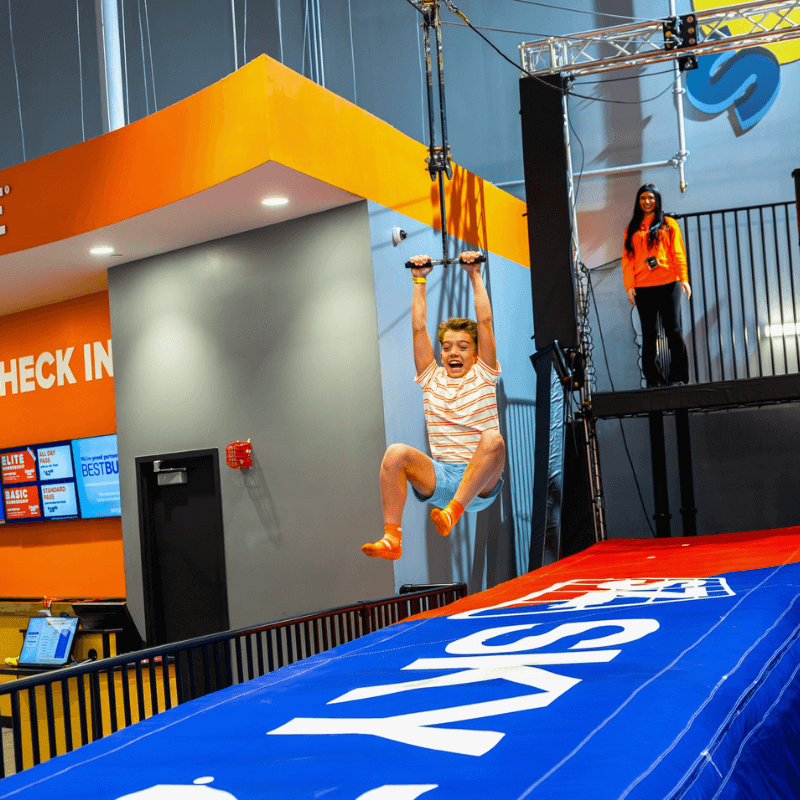
SkyZone Case Study
Multi-location brands fight a quiet, expensive war on Meta. The default playbook, one national creative and one national landing page, treats every shopper the same, regardless of which of the brand's locations they actually live near. Engagement metrics go up. Conversions don't follow.
Sky Zone, the trampoline park chain with hundreds of locations, was bleeding budget to this exact dynamic. High-intent shoppers were being served generic membership ads, then dropped onto a brand-level landing page where they had to hunt for their local park. The hand-off between ad and destination broke before purchase intent could carry it through.
The root cause sat one level deeper. Meta's algorithm rewards engagement signals like click-through rate, and generic creative tends to win on those signals. The platform was optimizing for the wrong end of the funnel, and the Sky Zone's media spend was paying for it.
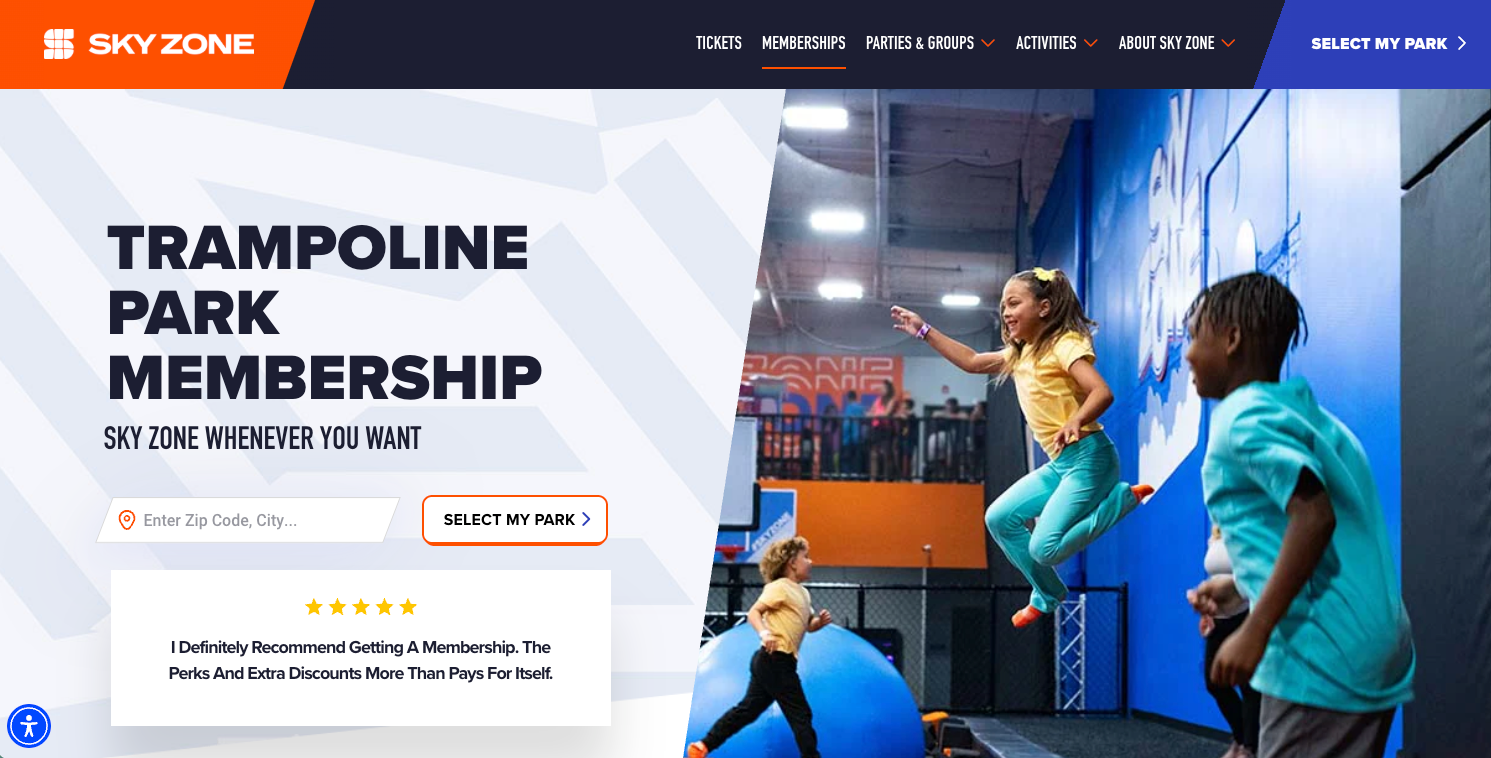
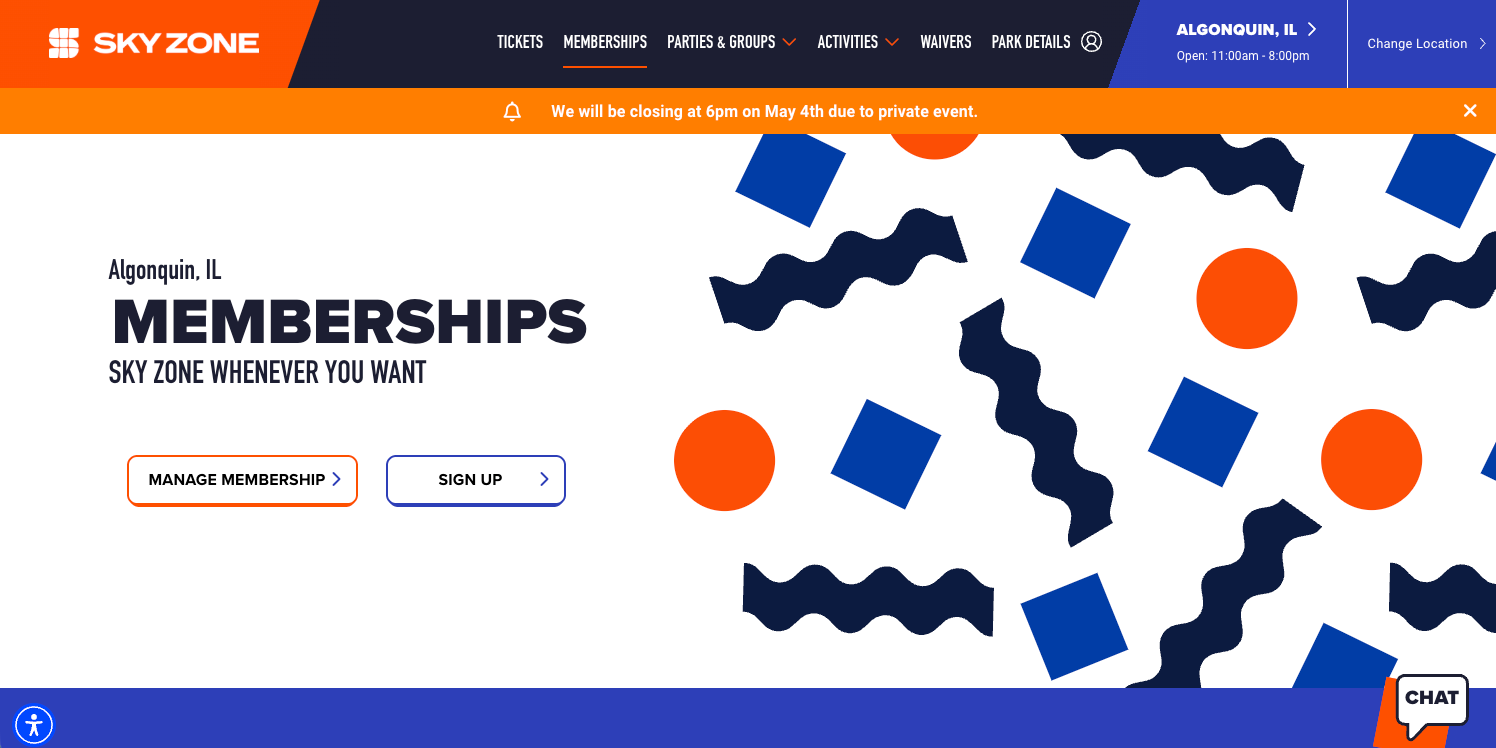
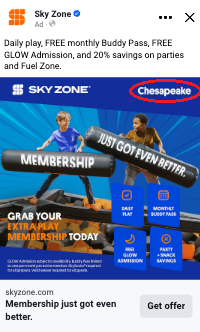
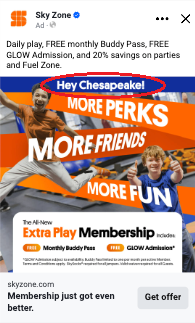
The pivot was to invert Meta's standard playbook entirely. Instead of trusting the algorithm to optimize one national creative against a broad audience, Sky Zone created hyper-localized Dynamic Creative Optimization (DCO) ads pointing to park-specific landing pages, run side-by-side against the standard generic approach in a clean split test.
The execution held everything constant except localization. The obvious play would have been to trust Meta's engagement signal. Standard Meta drove a 1.05% CTR, 2.4x higher than DCO's 0.43%.
By every front-end metric, the generic creative looked like the winner. It wasn't. Those clicks landed on a generic page where users had to reorient themselves to find their park, and they fell out before converting.


DCO bought 4.5x the impressions per dollar, cut Customer Acquisition Cost by 23%, lifted Return on Ad Spend by 45%, and drove roughly 20% more purchases on similar spend, all at a 90% confidence level.
The lift compounded in Sky Zone's Affluent segment, where DCO hit a 49% lower CPA against Meta's, nearly halving acquisition cost in the most valuable market cells.

The breakthrough wasn't localization on its own. It was the seamless match between what the ad promised and what the page delivered.
The moment a user clicked an “Algonquin, IL” creative and landed on the Algonquin Park page, cognitive load dropped to near-zero.
The funnel held because the hand-off didn't break. Engagement was never the right signal; intent alignment was.
DCO won the test outright at a 90% confidence level. Sky Zone cut acquisition cost by 23%, lifted Return on Ad Spend by 45%, and delivered roughly 20% more purchases on similar spend.
Reach efficiency was the most lopsided dimension: DCO bought 9.2M impressions versus standard Meta's 2.0M on roughly the same budget, for an 80% lower CPM.
The Affluent segment told the sharpest story. There, DCO drove a 3.18x ROAS, nearly double standard Meta's 1.61x in the same market, while cutting CPA nearly in half.
Ready
to get started?
Turn your diminishing returns into focused growth and holistic marketing strategies.