Restaurant Specialization Services
Restaurant marketing is one of the most operationally demanding categories in digital marketing. You are managing national brand consistency, local market activation, franchise system compliance, online ordering and delivery platform dynamics, and the measurement challenge of connecting digital ad spend to actual store visits, all simultaneously. Most marketing agencies can handle one or two of those things reasonably well. Very few can handle all of them without dropping something.
Acadia is a restaurant marketing agency built for that full complexity. We work with restaurant chains and franchise brands of every type, from quick service through casual and fine dining, and we bring the paid media expertise, measurement infrastructure, and multi-location capabilities to grow your brand without losing the local relevance that drives actual guests through your doors.
Our restaurant clients






Restaurant chain marketing is fundamentally different from single-location restaurant marketing. The media strategy has to work at both the national and local level. The measurement framework has to be able to attribute performance at the individual location level, not just across the portfolio. The creative has to be consistent enough to build brand equity and flexible enough to be relevant in each market. And the agency has to understand how franchise system dynamics affect both strategy and execution.
Acadia's restaurant marketing services cover the full scope of what a chain or franchise brand needs to compete effectively. Paid search and paid social campaigns that drive both brand consideration and local intent, CTV and programmatic advertising that builds reach efficiently at a national or regional level, local SEO that ensures your locations show up when nearby guests are searching, and the drive-to-store measurement infrastructure that tells you what is actually driving foot traffic versus what is just spending budget.
Multi-Location Restaurant Campaigns
Running paid media for a restaurant franchise system means building the architecture to activate at both the brand and the local level. A national campaign builds awareness and brand preference. A local campaign drives the guest who is two miles from a location on a Tuesday night to choose your brand over the three competitors also ranking in their search results.
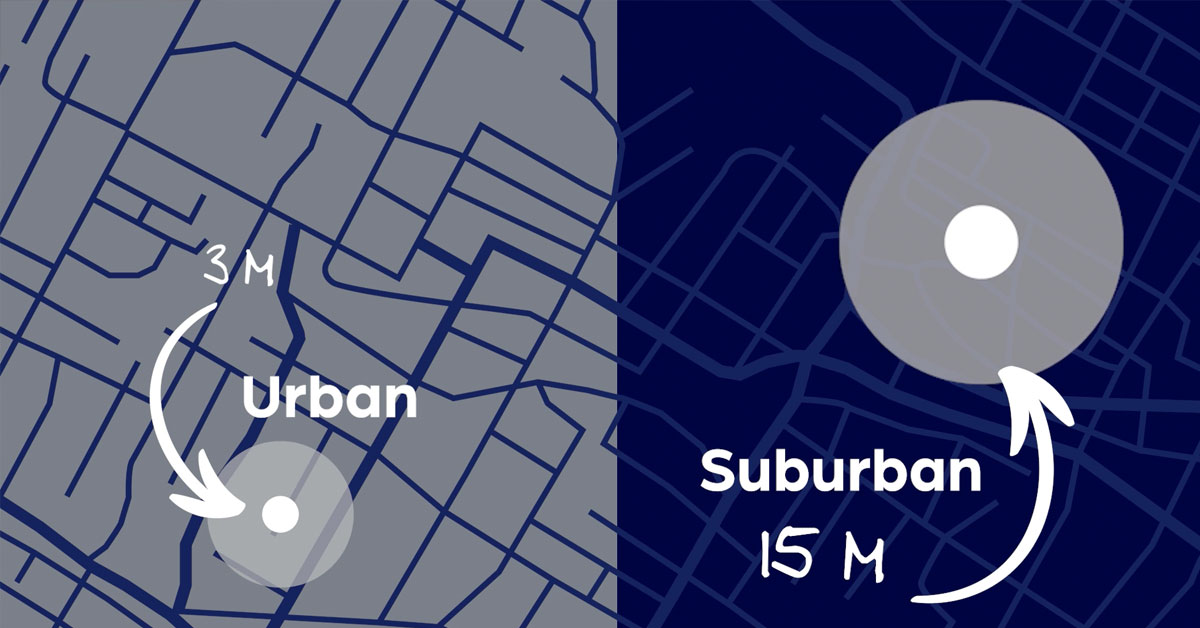
Acadia builds restaurant campaign structures that serve both objectives without requiring the corporate marketing team to manage a separate campaign for every location. Geo-fenced campaigns activate at the DMA or individual location level, bid strategies account for local competitive dynamics, and creative adapts to local context, whether that is a local offer, a regional menu item, or a promotion specific to a particular market.
For franchise systems specifically, Acadia works with both the franchisor and franchisee network to ensure the national strategy is being executed consistently at the local level, and that local operators have the visibility into their own performance they need to make informed decisions about their individual marketing investment.
Drive-to-Store Measurement
The most important question in restaurant marketing is one that most agencies cannot answer precisely: did our digital advertising actually bring people through the door? Impressions and clicks are inputs. Covers and visits are the outcomes that matter.
Acadia's drive-to-store measurement practice connects digital campaign activity to real location visit data, giving restaurant brands the closed-loop attribution that makes budget decisions evidence-based rather than assumption-based. We use a combination of geo-fencing, mobile location data, and first-party transaction data to measure the lift in store visits attributable to specific campaigns and channels, so you know not just that your media is running, but that it is working.
For Maggiano's, Acadia's integrated campaign and measurement approach drove a 2x increase in store visits.
The same drive-to-store measurement framework also informs budget allocation decisions. When paid search is driving more attributable visits than paid social in a given market, we know to reallocate accordingly. When CTV is building awareness that shows up as increased search volume and then visits, we can quantify that halo effect rather than treating it as unmeasurable brand spend.
Restaurant Media Mix Strategy
No two restaurant brands have the same media mix, and the right mix for a QSR brand is genuinely different from the right mix for a casual dining chain. Understanding those differences and building a channel strategy that reflects them is one of the places where a specialist restaurant digital marketing agency earns its value.
For quick service restaurant brands, the purchase decision is often immediate and proximity-driven. Paid search with strong local intent targeting, Google Business Profile optimization, and geo-fenced mobile advertising are typically the highest-performing channels because they reach guests at the exact moment they are deciding where to eat. Delivery platform advertising also plays a growing role for QSR brands as third-party ordering becomes an increasingly important revenue channel.
For casual dining and fine dining restaurant chains, the consideration window is longer and the decision involves more research. Social media advertising that builds brand preference and showcases the dining experience, CTV and video advertising that reaches guests in a lean-back mindset, and email and loyalty-based retargeting all play a larger role in the media mix. The guest who is planning a dinner for a special occasion is a different target than the guest deciding where to grab lunch, and the media strategy should reflect that.
QSR vs. Casual Dining: How the Approach Differs
Quick service and casual dining require different marketing strategies, and an agency that applies the same playbook to both is not serving either well. Acadia's restaurant marketing practice has experience across both categories and builds engagement strategies that reflect the specific guest journey for each.
QSR marketing is speed-driven. The guest decision window is short, competition is local, and the media that wins is the media that is there at the right moment in the right location. Campaign architecture, bid strategy, and creative all optimize for immediacy and proximity. Operational factors like drive-through and delivery also increasingly require marketing support, as online ordering and third-party delivery platforms become a primary revenue channel for QSR brands.
Casual dining marketing is consideration-driven. The guest is choosing a dining experience, not just a meal, which means the brand story, the atmosphere, and the occasion fit all matter as much as the offer. Social media, influencer content, CTV, and loyalty marketing all play a larger role, and the measurement framework needs to account for a longer path from first impression to seated guest.
Restaurant Marketing Agency FAQ
Ready
to get started?
Restaurant marketing at the chain and franchise level is genuinely complex. The brands that figure it out, that connect national media to local activation, measure what is driving guests through their doors, and make budget decisions based on real attribution, are the ones that grow. Acadia's restaurant marketing agency team is built to help you be one of them.