
Prime Day is right around the corner. You started noticing your brand showing up in Alexa for Shopping results. Then, Sponsored Prompts went to general availability, and you started getting billed a CPC when a customer clicks on AI-generated questions.
Somewhere in all of this, Amazon changed how products get surfaced and sold, and it happened fast. If you feel like you missed the memo, you didn't. This is just new territory, and most sellers are figuring it out on the fly.
The good news? The basics still matter. Good content, accurate specs, strong reviews; none of that became irrelevant. What has changed is that Amazon's AI systems are now doing much more of the intermediary work between your listing and your customer.
And the brands that have structured their content to speak clearly to both shoppers and the AI systems surfacing their products are the ones winning.
COSMO vs. Alexa for Shopping: Why the Distinction Matters
- COSMO evaluates your listing as a structured object. It's looking for explicit meaning, clear relationships between attributes, and confidence that the product will actually fulfill what it promises.
- Alexa for Shopping evaluates your listing the way a shopping assistant would in conversation with a customer. It prioritizes natural language, explainability, and resolving what the shopper actually intends to buy.
Same listing, two different lenses. But your PDPs will have to consider both.
📝 How to Prepare Your PDP for the Agentic Commerce Era
I recently sat down with Lauren Livak Gilbert from The Digital Shelf Institute to dig into this topic on the Ecommerce Braintrust podcast. Earlier this year, she co-authored a whitepaper with Azoma that breaks down exactly how Amazon's AI systems evaluate, reason about, and surface products.
It's one of the most practically useful pieces of e-commerce writing I've come across in a long time. If you sell on Amazon, read it and listen to our conversation - both are worth your time.
But today I want to bring those optimization levers to life with some real examples I gathered from my team, who’ve been in the trenches and have seen what actually moves the needle for our clients.
So without further ado, here are 2 PDP examples you’ll want to study.
Example #1: Jackery - Making Every Intent Explicit
Jackery makes portable power stations, and their Explorer 1000 v2 is their flagship Amazon listing.
The category attracts shoppers with very different needs: campers, emergency preppers, RV owners, and off-grid workers, which makes it a useful test of how well a PDP can serve multiple intents at once.
Jackery's listing is engineered to make every one of those intents explicitly retrievable.
1. A Title Built For Cosmo's Knowledge Graph
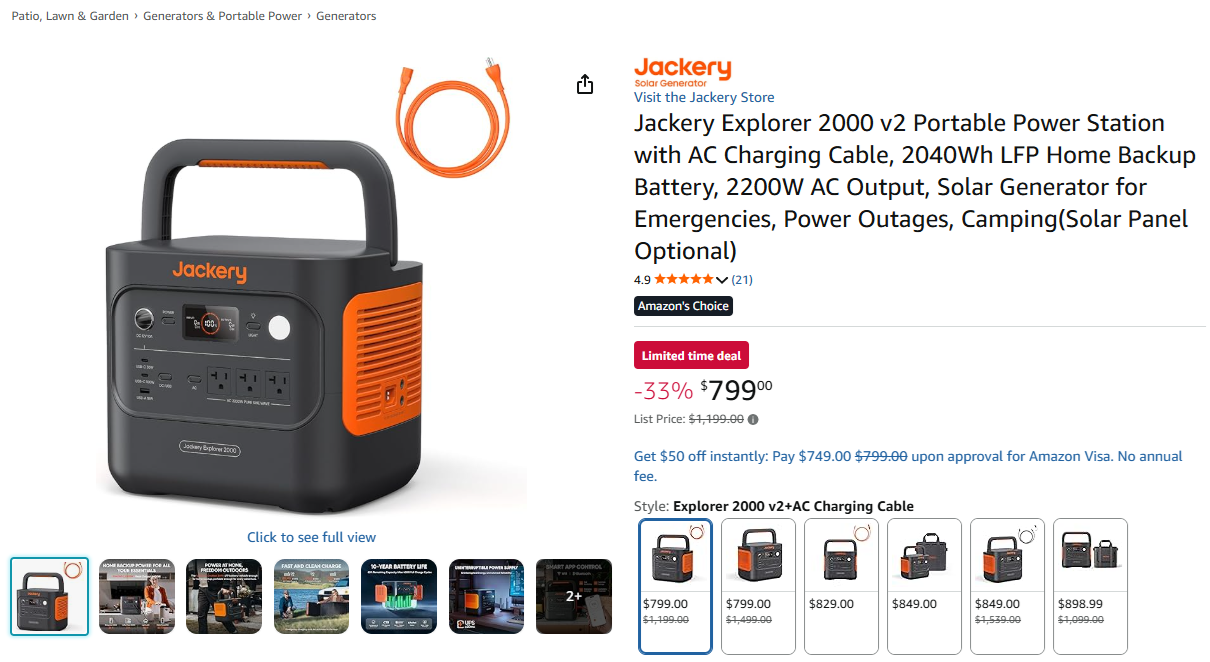
Jackery's title for their Explorer 2000 reads: “Jackery Explorer 2000 v2 Portable Power Station with AC Charging Cable, 2040Wh LFP Home Backup Battery, 2200W AC Output, Solar Generator for Emergencies, Power Outages, Camping (Solar Panel Optional).”
This is a great example of a Structured Title (Canonical Object Definition). COSMO analyzes noun phrases to identify what a product is, what it's for, and which category it belongs to.
Jackery's title answers all three in one sentence: it's a portable power station (product type), it has a LiFePO4 battery at 2040Wh with 2200W output (defining attributes), and it's for RV camping and emergencies (primary purpose and context of use).
There's no guesswork left for the machine or the shopper.
2. Bullet Points That Chain Features To Real-world Outcomes
Rather than listing specs in isolation, Jackery's bullets explicitly connect capacity to consequence:
"Designed to meet power demands for home backup, camping trips, and small businesses, the Jackery Solar Generator 2000 v2 has 3 AC ports with a powerful 2200W output and an impressive 2040Wh capacity."
"Featuring 20ms seamless switching, this portable power station is built to handle unexpected power disruptions, keeping your power ON during energy outages from grid issues to natural disasters like hurricanes and storms."
Based on this Feature → Outcome connection, COSMO builds inference chains to explain why a customer would choose a product, not just what it contains.
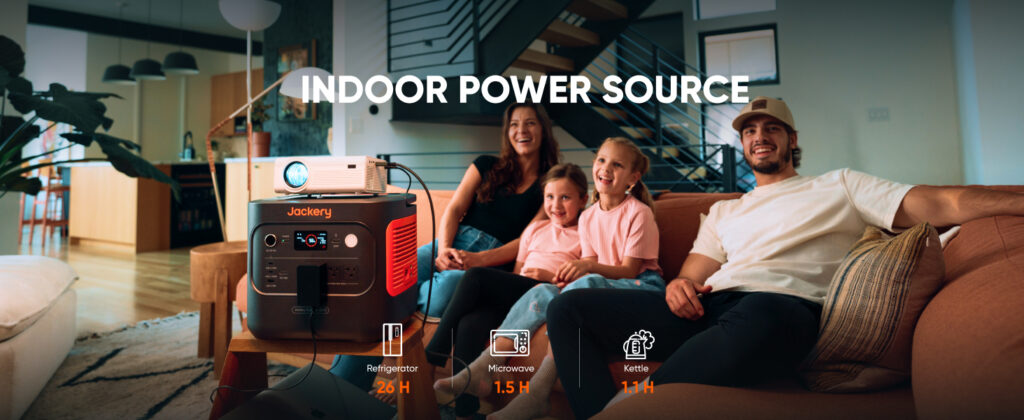
By naming the real devices being powered (portable fridges, microwaves) and the real duration of backup (72h, 1.5h), Jackery gives COSMO the semantic depth it needs to match the listing to intent-driven queries.

3. Validated Claims And Third-party Proof Points
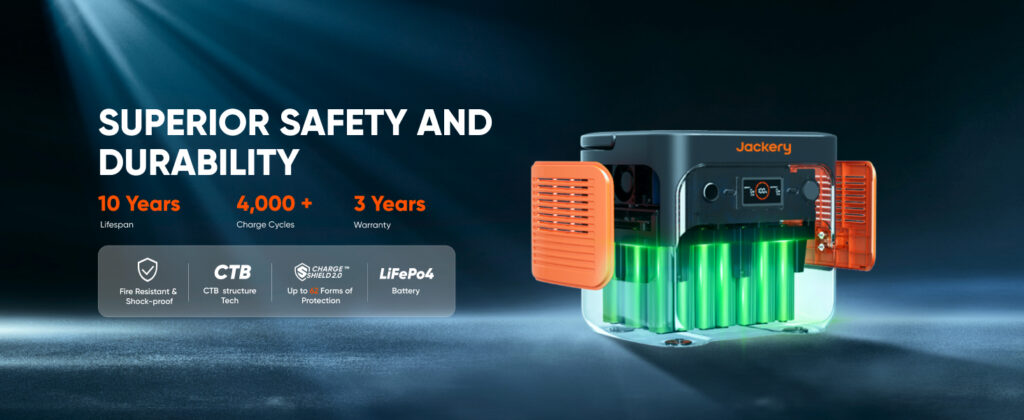
Jackery references their UL1778 test certification for Uninterruptible Power Systems and calls out its 4,000-cycle, 10-year LiFePO4 battery lifespan. These aren't just marketing claims, but machine-verifiable proof points.
Alexa for Shopping can validate claims across sources. Brands that ground their PDP in certified, third-party-validated data build the trust signals that push them to the top of Alexa for Shopping's recommendations.
4. Contextual A+ Content Covering Multiple Use Cases
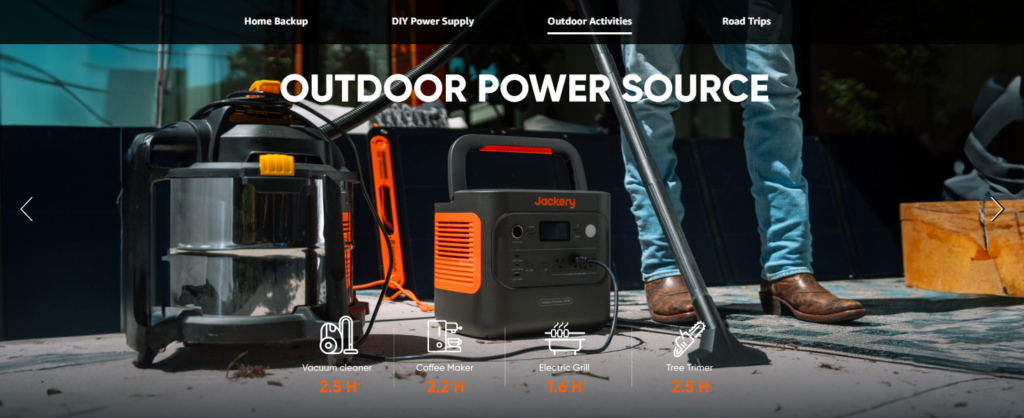
Jackery's product descriptions and images explicitly map the unit to scenarios: home backup, DIY projects, outdoor activities, and road trips.
This Contextual Description strategy feeds COSMO's knowledge graph with real-world situational meaning, the where, who, and what problem it solves, signals that make a product easy for an agent to match against any intent, not just the obvious one.
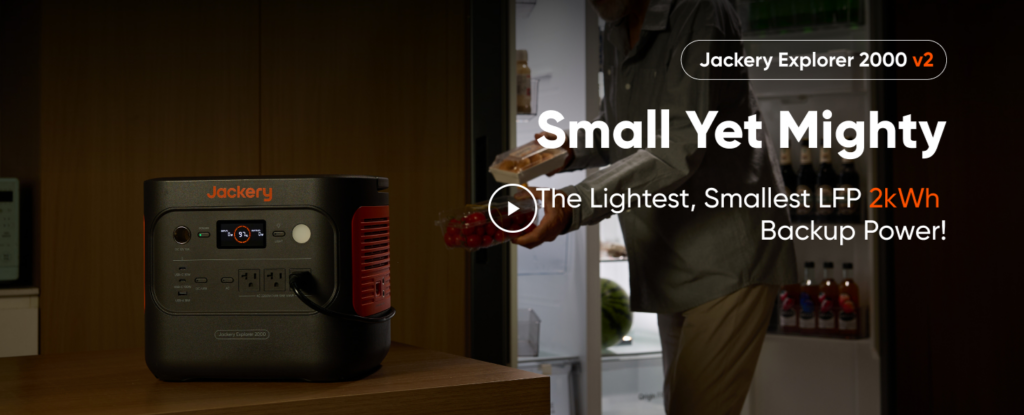
Video is also present in the PDP. It offers useful information and includes on-screen text, captions, and clear visual explanations of key features and use cases.
This prepares the Jackery listing for Alexa’s expanding multimodal understanding.
Example #2: Manscaped - Structuring for Conversation
The men's Beard & Moustache Trimmers category on Amazon is crowded with nearly identical specs and near-identical copy.
Manscaped's Beard Hedger listing stands out not because of the hardware, but because of how the listing is written: conversationally, with every bullet structured to resolve a real shopper question rather than simply describe a feature.
1. A Title That Packs In Every Relevant Attribute
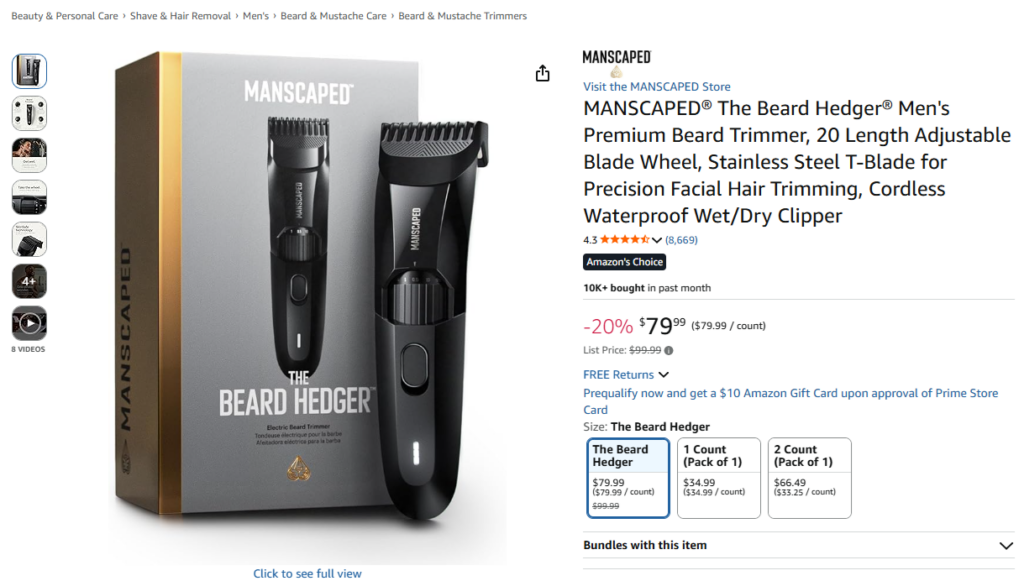
MANSCAPED's Beard Hedger title reads: "MANSCAPED® The Beard Hedger® Men's Premium Beard Trimmer, 20 Length Adjustable Blade Wheel, Stainless Steel T-Blade for Precision Facial Hair Trimming, Cordless Waterproof Wet/Dry Clipper".
Every key attribute that a shopper or Alexa for Shopping might filter on is present: the product type (beard trimmer), the defining feature (20 length adjustable blade wheel with a stainless steel T-blade), the primary use (precision facial hair trimming), and compatibility signals (cordless, waterproof, wet/dry).
Noun Phrase Usage allows Alexato extract and weight noun phrases to match shopper intent. MANSCAPED replaces fragmented keywords with complete, descriptive phrases that do the semantic heavy lifting.
2. Copy Written The Way A Real Customer Talks
MANSCAPED's bullet structure uses bold conversational headers: "THE BEARD HEDGER", "ONE STROKE WONDER", "CHECK YOUR HEDGE" followed by natural language explanations:
"Our precision beard groomer comes equipped with an intuitive zoom wheel with 20 different lengths to choose from so you can ditch the dozen clipper attachments and trim anything from a lumberjack 'stache to stubble."
"Our men's trimmer was designed with a unique cutting angle to have its built-in comb lift flat-lying hairs for smooth, single-stroke trimming."
Alexa for Shopping prioritises human-like language and semantic similarity over rigid keyword matches.
MANSCAPED's bullets don't just list specs; they tell a story from the shopper's perspective. The result is copy that performs equally well whether it's read by a human skimming the page or parsed by an AI agent resolving a query like "best beard trimmer for thick hair that works in the shower."
3. Feature-to-Benefit Mapping In Every Bullet
Every MANSCAPED bullet explicitly connects a hardware feature to a shopper outcome:
- 41mm titanium-coated T-blade → cuts through the thickest facial hair with no blade oil needed
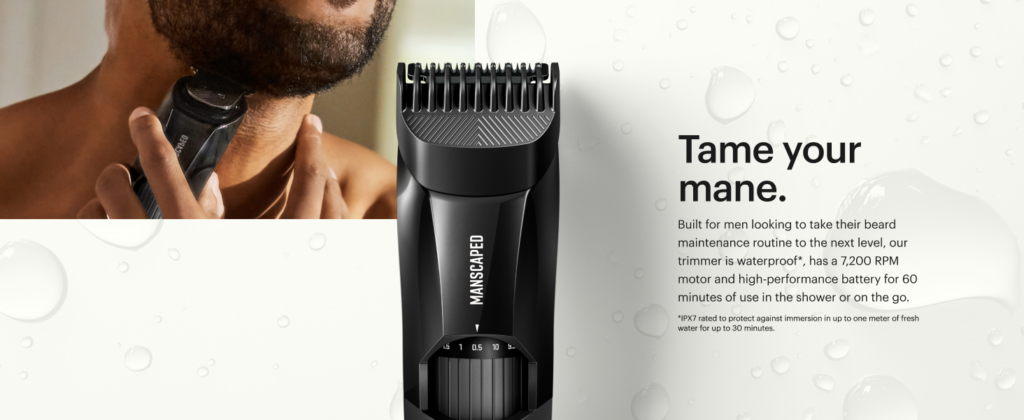
- 7,200 RPM motor + 60-minute battery → use in the shower or on the go
- IPX7 waterproof rating → immersion in up to one meter of fresh water for up to 30 minutes
The IPX7 callout is particularly important. Rather than just saying "waterproof," MANSCAPED gives the precise standard; a claim Alexa for Shopping can validate and a detail that directly resolves a common shopper question ("but how waterproof is it?").
4. A "What's Included" Section That Eliminates Friction
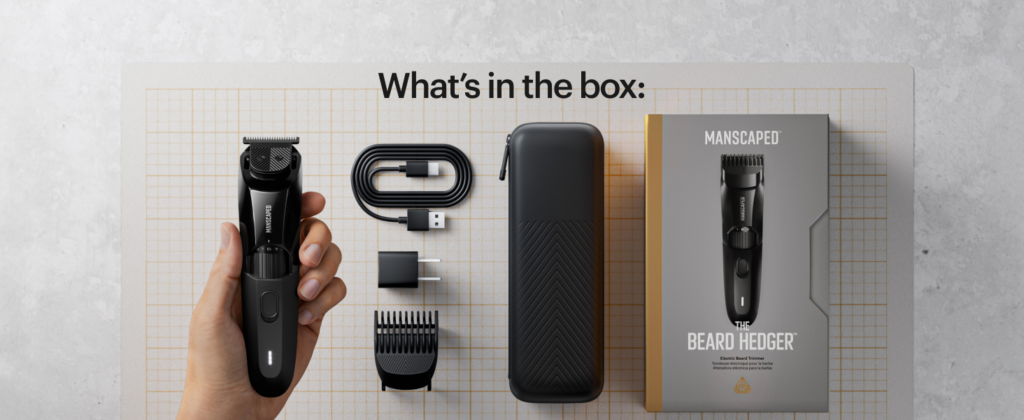
The listing closes with a clear kit contents summary: AC adapter, USB-C cable, length-setting comb attachment, and hard-shell travel case. For agentic commerce, this matters. COSMO needs to understand what a product delivers in full to avoid post-purchase disappointment signals, and Alexa for Shopping needs to confidently answer "does it come with a case?" without hedging.
MANSCAPED answers it in the listing, before the question is even asked.
What Ties These Brands Together
Jackery and Manscaped operate in completely different categories, but looking at their listings, the same pattern emerges across all three: they write for the machine as much as for the human reader.
But they also go the extra mile, and it shows across the entire PDP:
- Images are optimized, with on-image text that highlights benefits and directly addresses customer needs
- Alt text is not missing
- Premium A+ content is rich and built to answer a wide range of customer questions
- Ratings and reviews consistently sit above 4.5 stars
- Copy is fully optimized with high-volume keywords, while still aligning with how COSMO interprets meaning
- Features and specifications are thoroughly populated, and nothing important is left out
- Brand Story content is polished and speaks directly to the customer
- Listings include a strong mix of product and influencer videos
They also reinforce trust through clear brand-level signals:
- ~4.7-star average rating across tens of thousands of reviews
- 100K+ orders in the past 3 months
- High “customers usually keep this item” indicators
All of this works together. Not as isolated optimizations, but as a consistent signal that the product is clear, complete, and reliable.
There’s more beneath the surface, and I haven’t covered every optimization lever in this article. I’d strongly recommend diving into Lauren’s report, listening to the full podcast discussion, and revisiting these examples with fresh eyes.
You’ll likely spot even more patterns you can apply to your own PDPs.
We have a team dedicated to one thing: helping brands win in this new layer of Amazon, where PDPs need to be understood, trusted, and recommended by AI systems.
We’ve built a framework around it, and we’re successfully applying it.
If you want to see what that looks like for your brand:
Related Content:
- How to Prepare Your PDP for the Agentic Commerce Era with Lauren Livak Gilbert
- Taming the Organic Wild: Rewriting Organic Strategy in the AI Era (Part 1)
- Taming the Organic Wild: Rewriting Organic Strategy in the AI Era (Part 2)
- How to Win Customers in the AI Search Era | AI Engine Optimization Guide for Marketers
Read more from this author: